

IP vs HDCVI: Choosing the Right Surveillance Technology for Your Project
Both carry high-definition video. The right choice depends on your existing cabling, the size of the site and how the system needs to grow.
CrossTech Team · · 1 min read
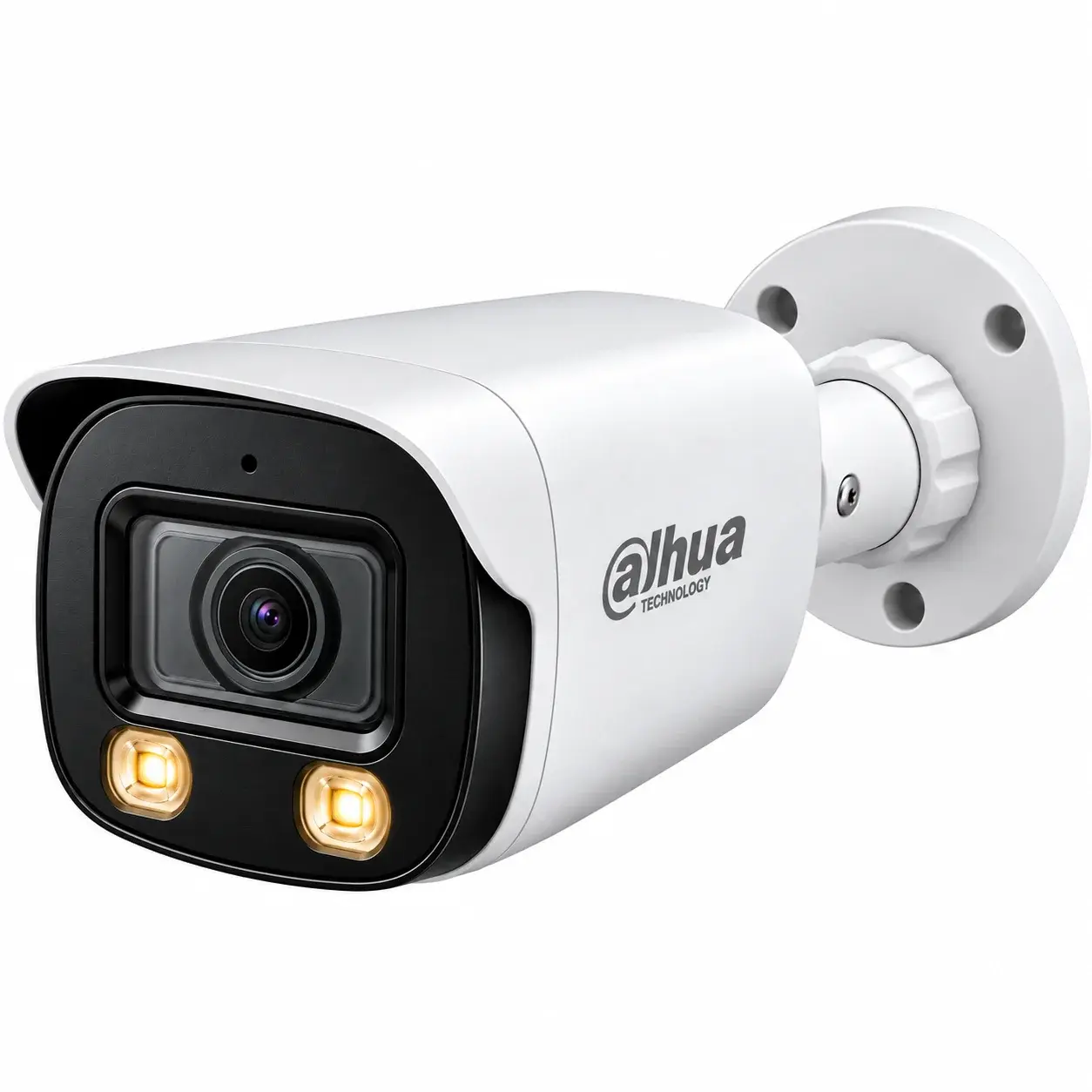
Choosing between network (IP) and HDCVI cameras is one of the first decisions in any surveillance project. Both can deliver high-definition video. The difference is in how the signal travels, how the system is powered and how it scales.
How each technology works
HDCVI sends high-definition video over coaxial cable to a recorder, usually called an XVR. Each camera has its own cable run back to the recorder.
Network (IP) cameras send video over standard Ethernet. Cameras connect to network switches — often with power-over-Ethernet (PoE) — and the video is recorded on a network video recorder (NVR) or a central platform.
When HDCVI makes sense
- The building already has good coaxial cabling you want to reuse
- The site is small to medium with cameras close to the recorder
- You want a straightforward upgrade from older analog cameras
When IP makes sense
- New buildings or new cabling
- Larger or multi-building sites that need to grow over time
- Projects that need analytics, central management or integration with access control
- Sites where one network cable for power and video simplifies installation
Questions to answer before you choose
- What cabling already exists, and what condition is it in?
- How many cameras do you need now, and in three years?
- How long must footage be kept?
- Who needs to view video, and from where?
- Will the system connect to access control, alarms or a control room?
Talk it through
If you are planning a project, request a quote or message CrossTech on WhatsApp with your site details. Our team can help you compare options within the Dahua portfolio.